


For managers, the real value of simulation-driven design shows up in earlier decisions, fewer late changes, and better control over cost. Tooling is expensive, internal capacity is limited, and each delay pushes revenue further out. Such an approach helps teams evaluate risk before steel is cut, which makes planning more reliable and gives leadership a clearer basis for action.
What is Simulation Driven Design for Manufacturing?
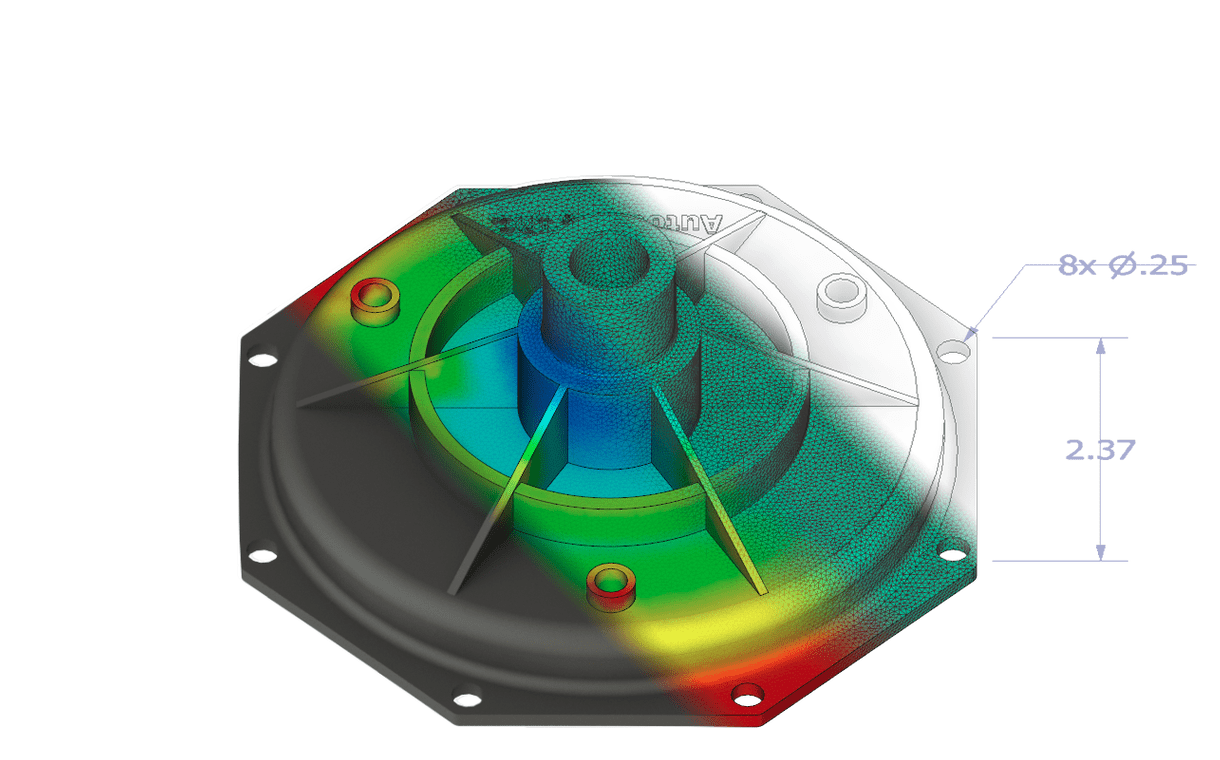
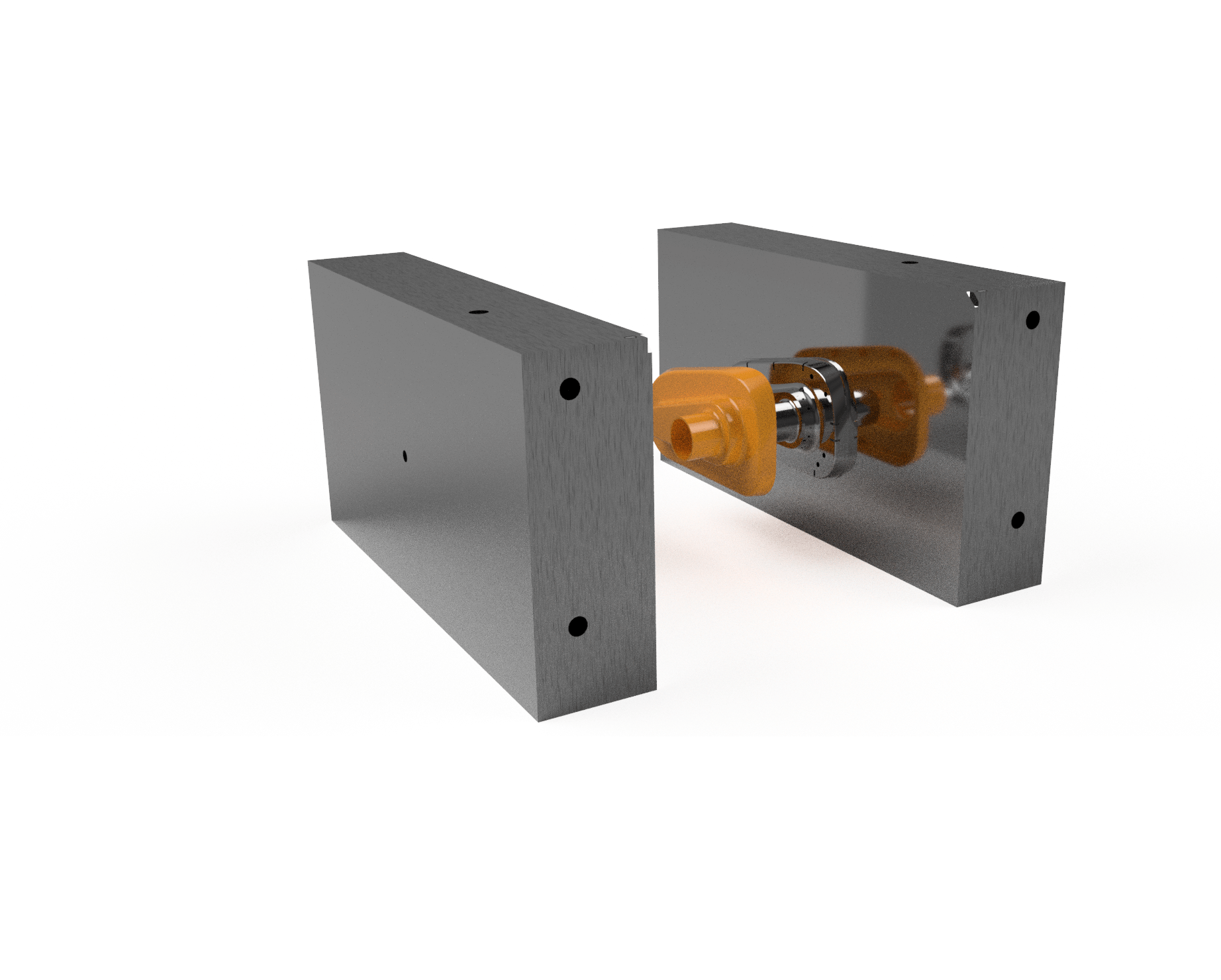
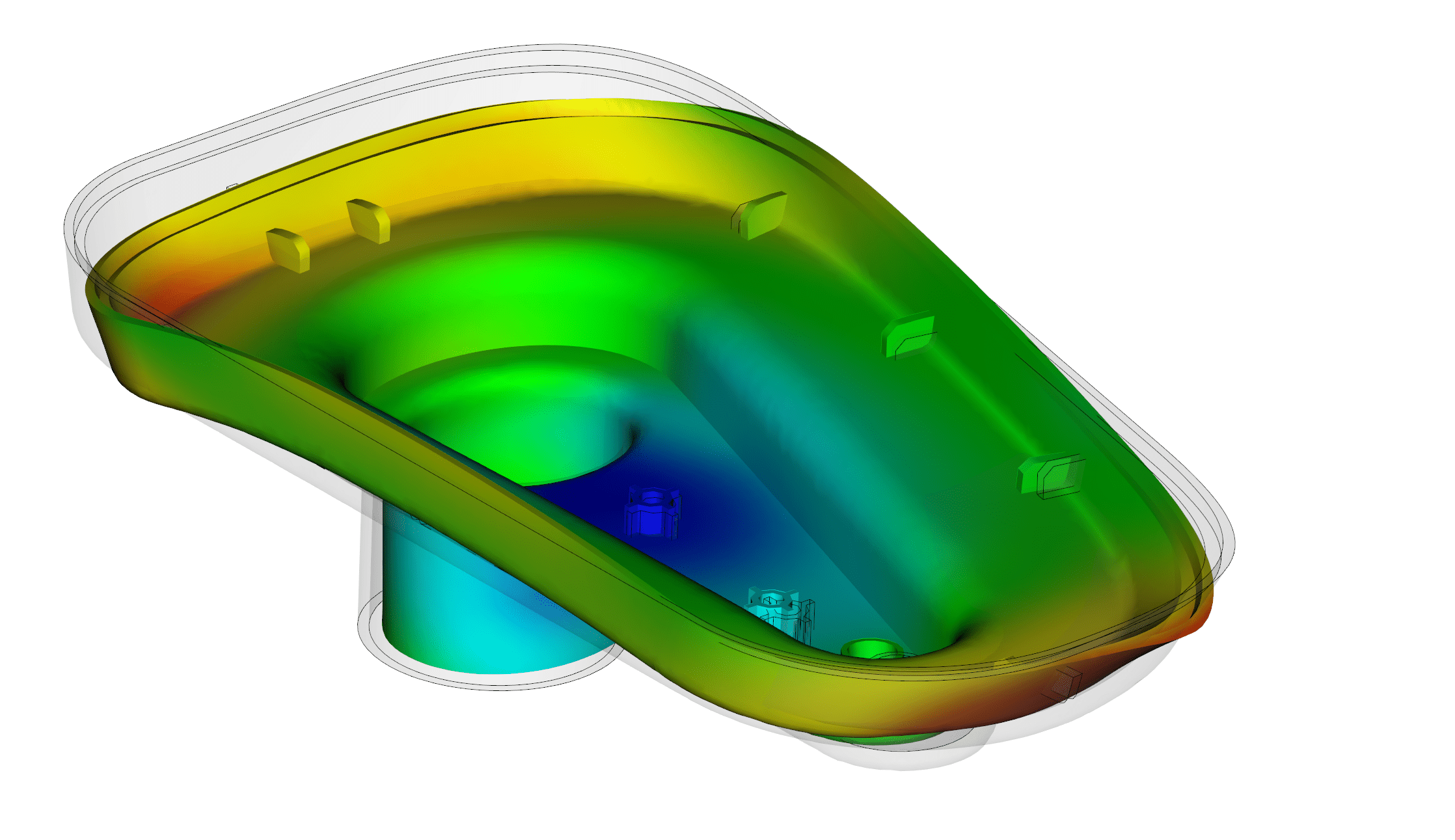
Simulation-driven design means using digital analysis early enough to influence decisions that affect the final mold, the part, and the path to production. In molding projects, this usually means checking filling behavior, pressure demand, thermal balance, and likely deformation before the tool goes into detailed release.
When teams work with a simulation-driven design strategy, they can compare alternatives earlier, reduce avoidable iterations, and improve manufacturing feasibility before major spending begins.
This also supports simulation-based design because the geometry is reviewed under realistic conditions, not just in CAD. When this happens early, teams avoid pushing important questions to the end of the schedule.
Benefits of Simulation Driven Design in Product Development
Timing
Decisions made early shape most of the final tooling and launch cost, while corrections made late take more time, more coordination, and more money. That is why simulation-driven product development has become so relevant for companies that want faster decisions without sacrificing performance.
Clarity
Instead of moving forward with assumptions, teams work with measurable data that supports geometry choices, gate concepts, and cooling direction. This improves internal communication because managers, engineers, and suppliers are looking at the same technical picture.
Direct Link to Virtual Prototyping ROI
When a company uses simulation-driven design before tool release, it reduces the number of physical trials needed to discover known risks. That improves testing efficiency and lowers the chance of expensive tool rework. In practice, this design technique improves cost control, schedule confidence, and technical optimization.
In practice, this design technique improves cost control, schedule confidence, and technical optimization. It also gives decision-makers more confidence when evaluating new programs, difficult parts, or changes in material choice.
Business Challenges in Injection Molding Without Front-Loading Simulation
Without front-loading simulation, many molding decisions happen too late. Problems are discovered after tooling is already committed, which narrows the options for correction and raises the cost of every response.
Rising Tooling and Rework Costs
When teams delay technical review, the mold often becomes the place where unresolved issues appear. A gate may be poorly placed, a wall may be too heavy, or the cooling concept may not support dimensional stability. At that stage, even modest changes can affect tools, schedule, and external supplier cost.
Unpredictable Manufacturing Outcomes
A part that looks correct in CAD may still behave badly in the tool. Without front-loading simulation, filling imbalance, thermal variation, or structural weakness may remain hidden until trials begin. This creates uncertainty in production and makes planning harder for both technical teams and managers.
Extended Time-to-Market
Late corrections add meetings, redesign loops, supplier coordination, and repeated testing. That added time slows launch readiness. A practical front-loading workflow shortens that cycle by placing technical questions earlier, where answers are cheaper and easier to apply.
Front-Loading Workflow for Injection Molding Simulation
A good front-loading workflow begins before final tooling design. It starts when the part is still flexible enough to improve, and when the mold concept can still be adjusted without disruption. This is where simulation-driven design has the greatest value.
With front-loading simulation, teams review likely filling behavior, cooling effects, and part deformation before committing to final layout decisions. That early analysis helps separate true risks from minor concerns. It also improves cross-functional communication because the same findings can be shared across engineering, sourcing, and management.
For managers, the benefit is straightforward. Simulation-driven design makes decision timing better. It reduces late-stage surprises, supports more accurate budgets, and improves confidence in launch readiness. When used consistently, it becomes part of a repeatable strategy rather than a one-off technical check.
Deploying a Simulation Design Strategy
A workable simulation design strategy does not need to start with a complex transformation. Most companies begin by integrating digital review into the existing approval process for new tools and part revisions. That first step already improves visibility and supports simulation-driven design at the points where cost decisions are being made.
From there, the method can expand into a broader moldflow simulation workflow. Teams can use the same software environment to review filling, pressure, thermal behavior, and likely deformation. This improves continuity because the information is easier to compare and reuse during development.
A more mature simulation design strategy also supports reporting and standardization. When companies build reusable workflows, dashboards, and review criteria, managers gain a clearer view of risk across projects. This is where simulations become part of routine governance rather than a specialist activity.
Over time, that also improves virtual prototyping ROI. Fewer physical loops are needed, internal review becomes faster, and the creation of design alternatives becomes more efficient. For leadership teams, this means a better return on technical effort and more predictable use of software and engineering capacity.
How Simulation Driven Design Reduces Tooling Costs
Simulation-driven design lowers tooling cost most effectively when it is used before decisions harden. Early digital review helps confirm whether the part and mold concept are realistic before expensive steel work begins. This improves manufacturing confidence and lowers risk in tool release. A strong simulation-driven design approach helps teams improve geometry, gate position, and cooling assumptions while options are still open. That leads to better optimization and less wasted time. When risks are identified earlier, fewer changes are pushed into the tooling stage. That protects the budget, supplier capacity, and schedule.
Simulation Driven Design for Managers and Decision-Makers
Managers do not need to run the models to benefit from them. They need results that support better decisions, better timing, and lower risk.
Data-Driven Decisions
Simulation-driven design gives leadership technical evidence, not just opinion, when reviewing investments and timing.
ROI of Injection Molding Simulation
The real value often appears in avoided rework, reduced trial effort, and stronger virtual prototyping ROI across multiple programs.
Reducing Manufacturing Risk
Potential issues in the mold, part geometry, and tooling approach can be addressed before they affect production.
What Simulation Driven Design Success Looks Like
Success looks less like a single report and more like a better decision path. Teams approve tooling with more confidence. Reviews move faster because the technical picture is clearer. Launches face fewer unexpected corrections. Over time, simulation-driven design improves business planning because cost, performance, and risk are discussed earlier and with better data.
Make confident design decisions with simulation.
Why Choose MF Software for Simulation Driven Design
MF Software supports companies that want simulation to become part of daily project work, not just a last-minute validation step. The goal is to make the technical review useful to managers as well as engineers.
Built for Front-Loading Manufacturing Decisions
Our approach is aligned with front-loading simulation. That means critical questions are addressed when the part and mold concept can still be improved efficiently. This supports earlier analysis and better control over time and cost.
Injection Molding Simulation Expertise
We bring practical knowledge of the moldflow simulation workflow, including filling, packing, cooling, and deformation behavior. That technical depth helps teams apply the approach in a way that supports real tooling decisions.
Supporting Managers, Analysts and Engineers
A useful simulation-driven design strategy has to work across functions. We help managers, analysts, and engineers use the same findings to support approvals, supplier discussions, and project planning. That improves alignment and helps turn technical review into actionable solutions.
FAQ
It is an early decision method that uses digital evaluation to improve tooling, part geometry, and project choices before physical trials begin.
By moving the technical review earlier. Front-loading simulation helps teams spot issues before tool release, which reduces rework, change orders, and wasted supplier effort.
No. It is useful for managers too because it gives decision-makers better visibility into risk, schedule, and likely cost impact.
Yes. Most companies start by adding it to current review gates. From there, it can grow into a broader front-loading workflow and a more consistent simulation-driven product development model.
Because it improves decision timing. Simulation-driven design helps managers act earlier, reduce uncertainty, and make better choices around tooling, budget, and launch readiness.